

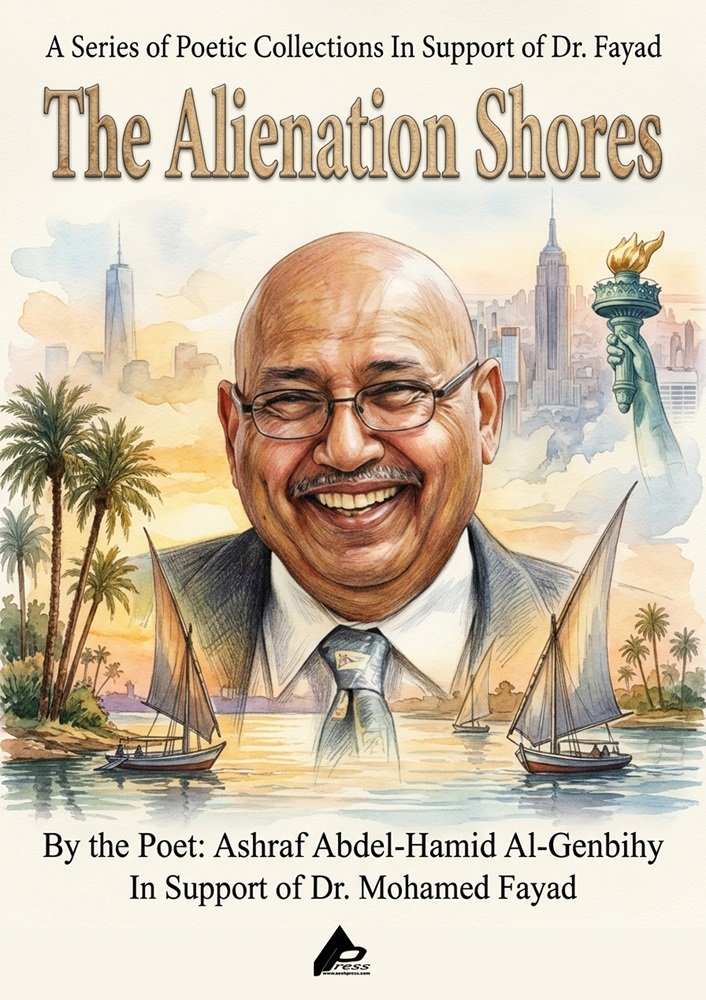



Shores of Exile — A Poetry Collection That Transforms the Wounds of Injustice into a Hymn to Truth and Makes the Pen a Banner of Human Dignity. Poems by the Poet: Ashraf Abdel-Hamid El-Genbihy Sentiments by: Dr. Mohamed Ebrahim Fayad, Scholar of the Unified Word
A collection that evokes the human tragedy of exile, upholds the value of knowledge, and renews our faith that truth may be delayed, but its light can never be extinguished.
At a time when questions of justice, human dignity, and freedom of thought are becoming increasingly urgent, Shores of Exile offers a poetic experience rooted in human suffering. The collection invokes the power of words to confront injustice and reaffirms the essential role of knowledge and the written word in cultivating awareness and inspiring hope.
Through a series of poems addressing human, national, and moral concerns, the collection traces a journey in which exile intersects with longing, wounds with patience, and the disappointments of reality with the aspiration for a more just and equitable tomorrow. This poetic experience goes beyond complaint or the lamentation of suffering. It seeks to transform hardship into poetic testimony, pain into a principled stand, and words into a message defending human dignity and every person’s right to have their voice heard.
| BOOK | Hardcover, Paperback, Kindle |
|---|
Related products
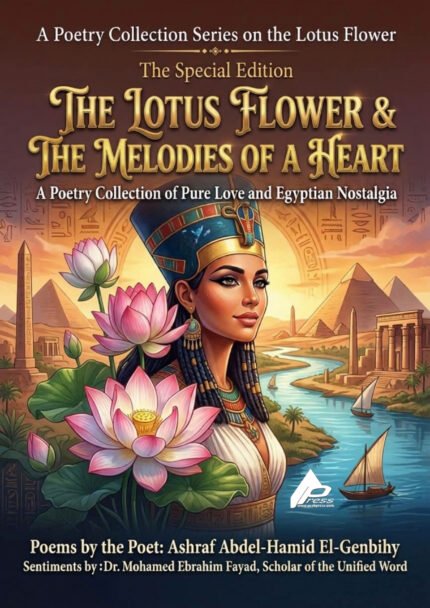
“The Special Edition” THE LOTUS FLOWER & THE MELODIES OF A HEART “A Poetry Collection of Pure Love and Egyptian Nostalgia” Poems by the Poet: Ashraf Abdel-Hamid El-Genbihy Sentiments by: Dr. Mohamed Ebrahim Fayad, Scholar of the Unified Word
This collection seeks to evoke an ancient Egyptian vision through a modern, emotive language: a flower that emerges from the water without ever drowning in it—blooming upon the surface of the Nile, opening its heart to the light, and remaining etched in memory long after the lovers have parted ways.
In this poetic realm, the lotus flower transcends the status of a mere character; it becomes a multi-layered symbol—representing Egypt, civilization, beauty, chaste love, and a memory that requires no possession to endure. The text thus returns to the Nile, the breeze, the temples, and history, serving as a testament to a story that, while brief in time, is profound in its enduring struggle.
At the core of this perspective lies a fundamental idea: the value of love does not lie in the beloved becoming the property of the lover, but rather in the gentle, lasting imprint left upon the soul. Consequently, the lotus declares that it will neither seek a promise of return nor demand further discourse; it finds fulfillment in being seen, dreamed of, and cherished by the one who loved it—transforming the words born from this experience into a light for others.


أشعر أني أطير
Trust me if I just write to tell about you, darling Or intend to say that you are greater than my being, Much greater than my love for art, Than the entire world you see so smart. You have inherited within you something mature From such life, art and nature. You have a lot of feelings that sway On the banks of my heart that is far away, That is isolated to worship at the corner of life, To recite the poems of the ascetic adorer in life, The poems of love and emotions that ceased his heartbeat, That ignited the flames of longing, so painful but sweet, That like a powerful earthquake explodes within me, Which changed the whole face of the city.
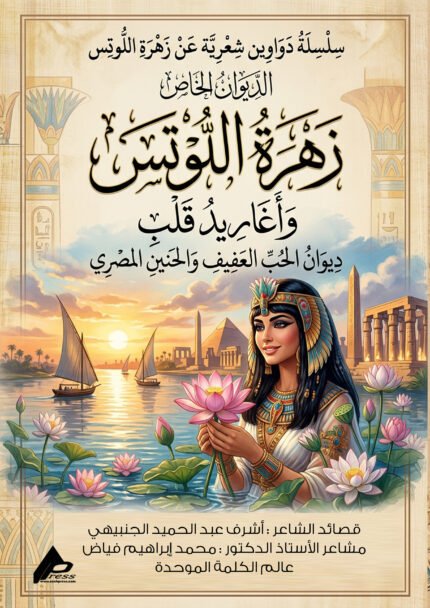
الديوان الخاص زَهْرَةُ اللُّوتِس و أغاريد قلب ديوان الحب العفيف والحنين المصري ، قصائد الشاعر / أشرف عبد الحميد الجنبيهي ، مشاعر الدكتور محمد إبراهيم فياض
يحاول هذا الديوان أن يستعيد الصورة المصرية القديمة في لغة وجدانية حديثة: زهرة تنبت من الماء، لكنها لا تغرق فيه؛ تشرق فوق سطح النيل، وتفتح قلبها للنور، ثم تظل حاضرة في الذاكرة حتى بعد أن يبتعد العاشقان.
وفي هذا العالم الشعري لا تكون زهرة اللوتس شخصيةً فحسب، بل تصبح رمزًا متعدد الطبقات: رمزًا لمصر، وللحضارة، وللجمال، وللحب العفيف، وللذكرى التي لا تحتاج إلى امتلاك صاحبها كي تستمر. لذلك يعود النص إلى النيل والماء والنسيم والمعابد والتاريخ، ويجعلها جميعًا شهودًا على قصة قصيرة في الزمن، طويلة في الأثر.
وتتوج هذه الرؤية بفكرة جوهرية: ليست قيمة الحب في أن يصبح المحبوب ملكًا للمحب، بل في أن يترك أثرًا طيبًا في الروح. ولهذا تقول اللوتس إنها لا تطلب وعد عودة أو لقاء، وإنما يكفيها أن ترى من أحبها يكتب ويحلم ويمنح، وأن تتحول الكلمات التي نشأت من التجربة إلى نور لآخرين.


انهزمتُ عند أوَّل خنجر شوق
Oh, just tell me what place you are going, So, I will come fast, much faster than lightning, Or like horses that cause chaos and clamor, Or thrilled with wine, like a drunk in summer. No longer can I be a heavy drunk as before, With love, nor carry my frail body anymore. It sways all the time as it carries my soul That groans for your absence from me, that’s all. The music I have heard with you , still in my ear, Resounds and screams , and this I can’t bear.
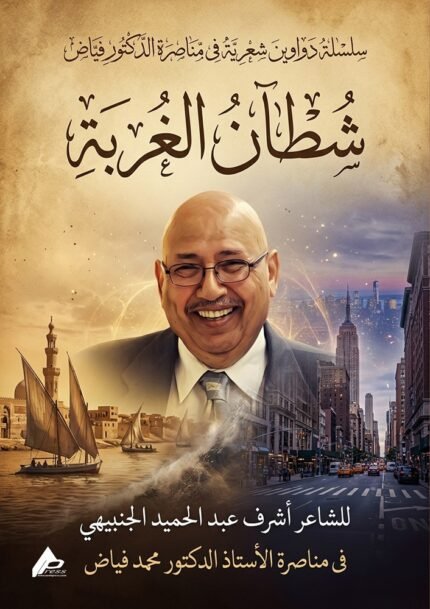
شُطْآنُ الغُرْبَةِ… ديوانٌ شعريٌّ يُحوِّل جراحَ الظلم إلى نشيدٍ للحق، ويجعل من القلم رايةً للكرامة، قصائد الشاعر / أشرف عبد الحميد الجنبيهي ، فى مناصرة الدكتور محمد إبراهيم فياض
شُطْآنُ الغُرْبَةِ… ديوانٌ شعريٌّ يُحوِّل جراحَ الظلم إلى نشيدٍ للحق، ويجعل من القلم رايةً للكرامة
ديوانٌ يستحضر مأساة الإنسان في الغربة، ويُعلي قيمة العلم، ويُجدِّد الإيمان بأن الحق قد يتأخَّر، لكنه لا يفقد نوره.
في زمنٍ تتعاظم فيه الأسئلة حول العدالة والكرامة الإنسانية وحرية الفكر، يأتي ديوان «شُطْآنُ الغُرْبَةِ» ليقدِّم تجربةً شعريةً تستمدُّ نبضها من معاناة الإنسان، وتستنهض قوَّة الكلمة في مواجهة الظلم، وتستعيد مكانة العلم والقلم في بناء الوعي وصناعة الأمل.
ومن خلال مجموعةٍ من القصائد ذات الطابع الإنساني والوطني والأخلاقي، يرسم الديوان ملامح رحلةٍ تتقاطع فيها الغربة مع الحنين، والجراح مع الصبر، وخيبات الواقع مع التطلُّع إلى غدٍ أكثر عدلًا وإنصافًا. ولا تقف هذه التجربة عند حدود الشكوى أو رثاء الألم، بل تسعى إلى تحويل المعاناة إلى شهادةٍ شعرية، والوجع إلى موقف، والكلمة إلى رسالةٍ تدافع عن كرامة الإنسان وحقِّه في أن يُسمَع صوته.


ظلم جماعي ( حكاية مصرى بجواز سفر أمريكى ) – الأستاذ الدكتور محمد فياض
أنا مواطن أمريكي من أصل مصري، أستاذ جامعي، عالم ومؤسس لعلوم جديدة،
بلغت من العمر 72 عامًا وأقيم في سان خوسيه، ومحب للبشرية جمعاء، ولكني
أعاني أنا وشركتي من زمن طويل من كل أنواع الظلم الجماعي من معظم
الأشخاص و المنظمات التي أتعامل معها، حيث أنني أواجه مشاكل كارثية
وعقبات كؤود في عملي وحياتي الخاصة وكأن هذا شيئا مقصودا وحملة
ممنهجة ضدي وضد كل المبتكرين وشركاتهم في مصر بشكل خاص و في
أمريكا والدول العربية بشكل عام. في حين أنه في جميع أنحاء العالم، يجب أن
يتحد الناس والمجتمعات والمنظمات لفعل الخير ومساعدة المحتاجين. ومع ذلك،
وللأسف الشديد يتكاتف الكثير الناس والعديد من المنظمات الحكومية
والمدنية ويتزاحمون على ظلمي وكأنهم يجدون متعة في ذلك سواء في الولايات
المتحدة الأمريكية أو في مصر. كما لو كانوا يستمتعون بألمي وينتشون وهم
يشربون من دمي المتدفق كؤوسا متجرعة، ويأكلون على مائدة مأساتي كما لو
كانوا في عشاءهم الأخير
ويبدو أن هذه المشاكل التي أعاني منها تعاني منها أيضا كل الشركات الناشئة
ومؤسسوها. حيث انتشر الظلم، وغابت العدالة، ومات الضمير، وضاعت الأخلاق.
إذا كانت كل هذه الإساءات ضدي فقط، فأنا أقبلها على مضض، ولكن إذا امتدت
لتمس المجتمع الإنساني ككل، فلابد من وقفة للتصدي ومكافحة هذا الظلم
ومقاومة تيار العنصرية البغيضة التي قضت علي أحلام الملايين من البشر وأنا من
بينهم .هل يجب علي أن أنتظر قدوم مارتن لوثر كينج آخر، يشن الحروب من أجل
إنهاء تلك العنصرية والظلم الواقع علي كل بني الإنسان؟
إن كانت لديك نفس التجربة وتعاني من نفس مأساتي يرجى التواصل معي
لنتكاتف سويا لرفع الظلم عنك وعن شركاتك الناشئة لأنك أساس النهضة
.والحضارة والتنمية في جميع أنحاء العالم


ظلم جماعي (شركة (Aeeh Press Inc) الخاصة بالنشر تواجه الظلم الجماعي) المجلد التاسع – الأستاذ الدكتور محمد فياض
يحتوي هذا الكتاب على نماذج من الظلم الجماعي الذي عانيته في الشرق
الأوسط وأمريكا. حيث يتناول بعض القضايا المتمثلة في سلوكيات بعض
الأشخاص العدائية ضدي في الشرق الأوسط وتحديدا في مصر من مطاردة
زوجتي السابقة لي مستعينة بأخوتها ومحاميها، وبعض الأشخاص الذين تم
استئجارهم لمضايقتي والعمل ضدي. كما يتناول نماذج من الأفراد عديمي
الخبرة الذين لا يقومون بأدوارهم المنوطة بهم كما ينبغي، وبعض نماذج من
الفساد في المعاملات التجارية. ويشمل هذا الجزء أيضا على نماذج من الظلم
الجماعي ضدي في الولايات المتحدة الأمريكية، من المعاملات الغير
قانونية، مثل حرماني لأكثر من عام ونصف من التدريس في الجامعة وإيقاف
راتبي، واضطهادي وعدم الاعتراف بمكانتي العلمية رغم ما أقوم به من
ابتكارات لعلوم لم تكن موجودة من قبل، وذلك لخدمة البشرية جمعاء.
ونحن كفريق عمل نعمل دون توقف منذ أكثر من 18 شهر، والرواتب للتي
أدفعها مازالت مستمرة دون توقف، وخلال هذه الفترة أضرت بنا العديد من
الشركات مثل شركات الويب (AWS ،WordPress، وNamecheap
)والهواتف المحمولة ( T-Mobile، وAT&T، وVerizon،)ومكاتب الائتمان،
والمؤسسات المالية(Wells Fargo) وجميع وسائل التواصل الاجتماعي(
AMZ Publishing)وشركات النشر (YouTubeو Facebookو LinkedIn
Pros.) وآخرون.
لقد عملت أنا وفريقي بجد، وقدمنا كل ما هو مطلوب من أجل التجديد
والإصلاح، ودفعنا الأمل في نشر الكتب لجميع المؤلفين في غضون ثلاثة
اشهر.
واليوم أعتزم على إعادة كل هذه القضايا إلى مكتب التحقيقات الفيدرالي
FBI وتكليف محام خاص ممتاز للدفاع عني.


Reviews
There are no reviews yet.